

By: Sabine Cuthill
My name is Sabine Cuthill and I am the older cousin to an amazing girl with Smith-Magenis syndrome. Growing up in a hectic French-Canadian household our family dinners and holidays were always filled with lots of love but also lots of chaotic energy. As I have grown up I have come to appreciate those moments of chaos and laughter, both things I’m sure I will carry into my own family. My family lived in Toronto while my cousin and her family lived in Montreal, therefore I only got to see them about 2-3 times a year.
During those visits, I saw the intensity of care my cousin, L, required, but I never fully understood the “why” until much later. For almost fourteen years, my aunt lived in a state of constant self-advocacy. She never felt like her questions were fully answered. L was initially diagnosed with ADHD and auditory processing disorder, undergoing years of speech therapy. However, it was not until she was 13 years old that she was referred to an autism neuro-psychologist, who discussed doing genetic testing. It was then that the SMS diagnosis was made, more specifically the rarer kind (point mutation), which explains why it took so long for her to get the right diagnosis. If it weren’t for my aunt’s constant advocacy for L, she might’ve never gotten the right treatment.
Before I truly understood SMS, I didn’t see the full scope of the sacrifices made every day. Life with SMS involves a constant stream of interruptions and the need for repeated, patient explanations for things that might seem second nature to others. There is a complex tug of war with defiance and the inability to fully grasp consequences, which can be exhausting for a caregiver.
My whole perspective on SMS completely changed once I moved to Montreal for a year in 2024. I had never spent that much time with my family before, and getting that opportunity was amazing. It gave me new insights into the day-to-day life as a caretaker for L. I realized that because most people don’t have regular interactions with the SMS community, they don’t have the reflex to show empathy or grace. Because L doesn’t always have a “visible” marker of disability, individuals are often quick to make judgments. They simply see a teenager who may be “misbehaving” rather than an individual who is feeling overwhelmed and may not be able to manage those feelings. This is why awareness is so critical.
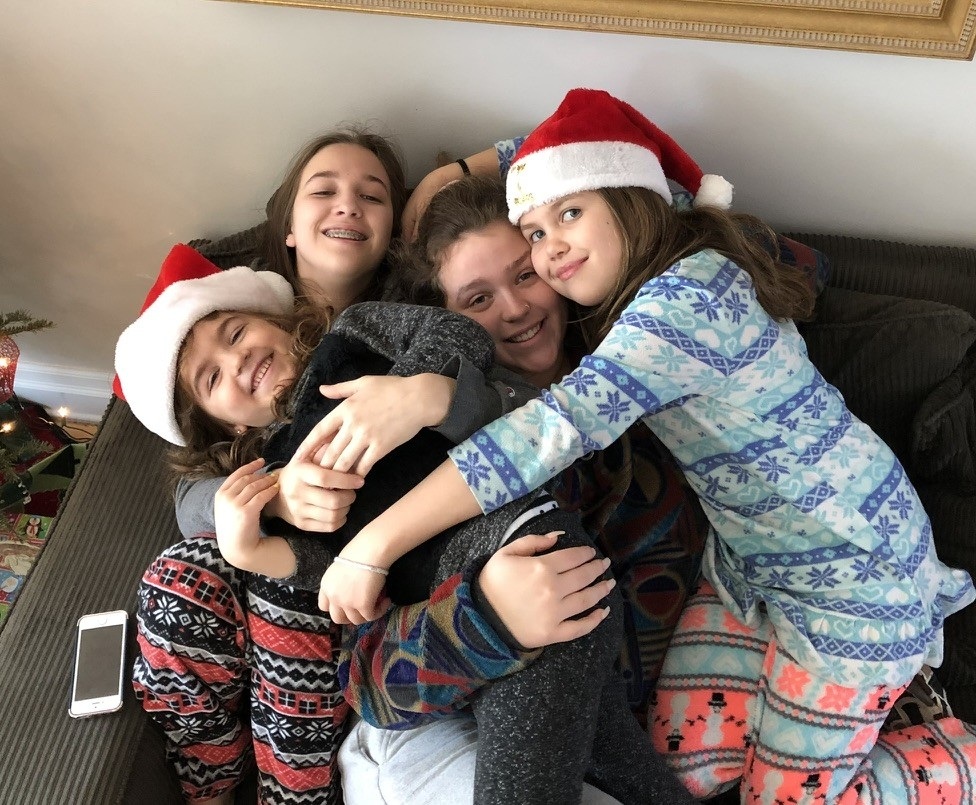
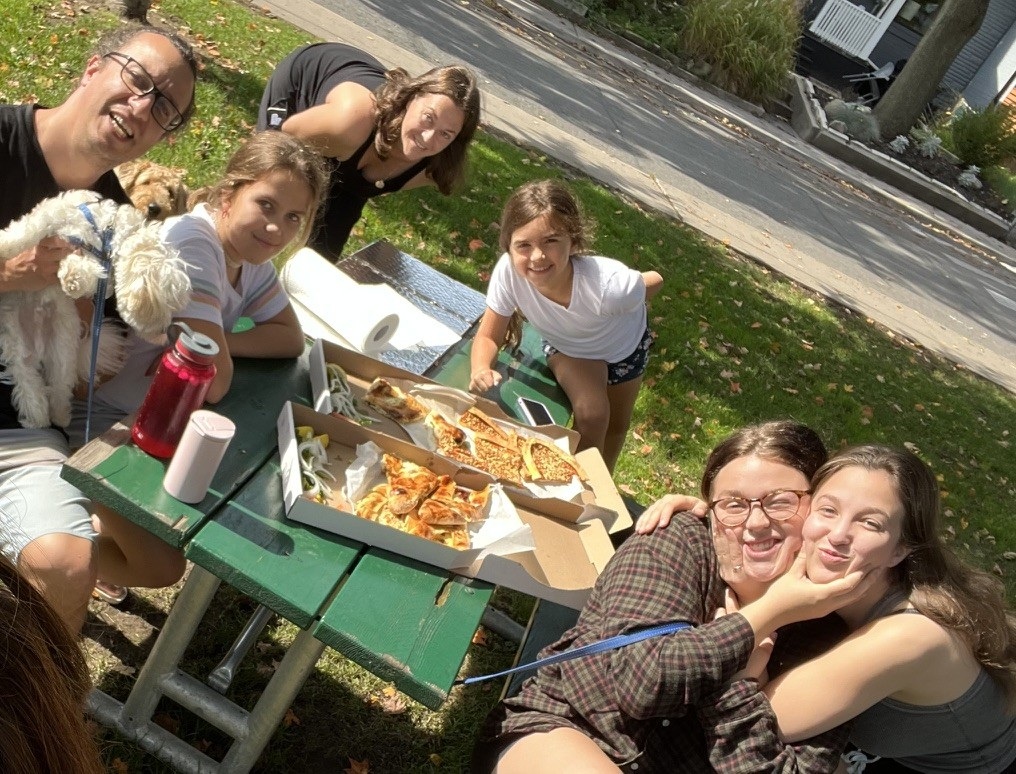
My cousin loves to be around family. She is incredibly affectionate and loves anything girly (shopping, getting her nails done, makeup, watching YouTube videos). She also did gymnastics as a kid and now occasionally helps with the young kids. Together we have gone shopping and blueberry picking, and she is the happiest when we are together as a family, watching a movie or playing board games.
This lack of understanding extends into the school system. Because L does not have formal intellectual disability, finding a school that could support her and provide a good environment has been a constant battle for my aunt. She is frequently “too functional” for specialized developmental programs, yet her behavioural and sensory needs make a standard classroom impossible to navigate. My aunt has had to constantly educate teachers and administrators on what SMS is and how L needs are unique. Schools often try their best to support L, but without specific knowledge about SMS, L continues to fall through the cracks of an education system that is not built for kids who may sit between two categories.
As I started researching SMS for my university advocacy project, a phrase my aunt had mentioned, which continues to resonate with me, is “falls through the cracks”. Because L doesn’t fit the typical profile of autism or a traditional intellectual disability, she often misses out on much-needed support. In Canada, the burden of advocacy almost always falls on the family. My aunt has had to spend thousands of dollars on private testing to avoid the year-long wait-list and has found herself having to educate medical professionals, as SMS is very unknown.
I believe advocacy is about bringing these “cracks” in healthcare to the forefront and eventually bridging them. My hope is to see Canadian healthcare adopt multidisciplinary care models like the PRISMS SMS clinics in the US, where specialists collaborate all under one roof to provide rounded care. My cousin’s story and experiences are true examples of resilience. I hope that by sharing my family’s story, other families realize that while the healthcare system might seem unprepared, they are not alone.
For over 30 years, PRISMS has been working to support individuals and families affected by Smith-Magenis syndrome, providing critical support and information for the everyday management of SMS. Your donation helps us continue our mission. Every contribution, no matter the size, makes a meaningful difference.